
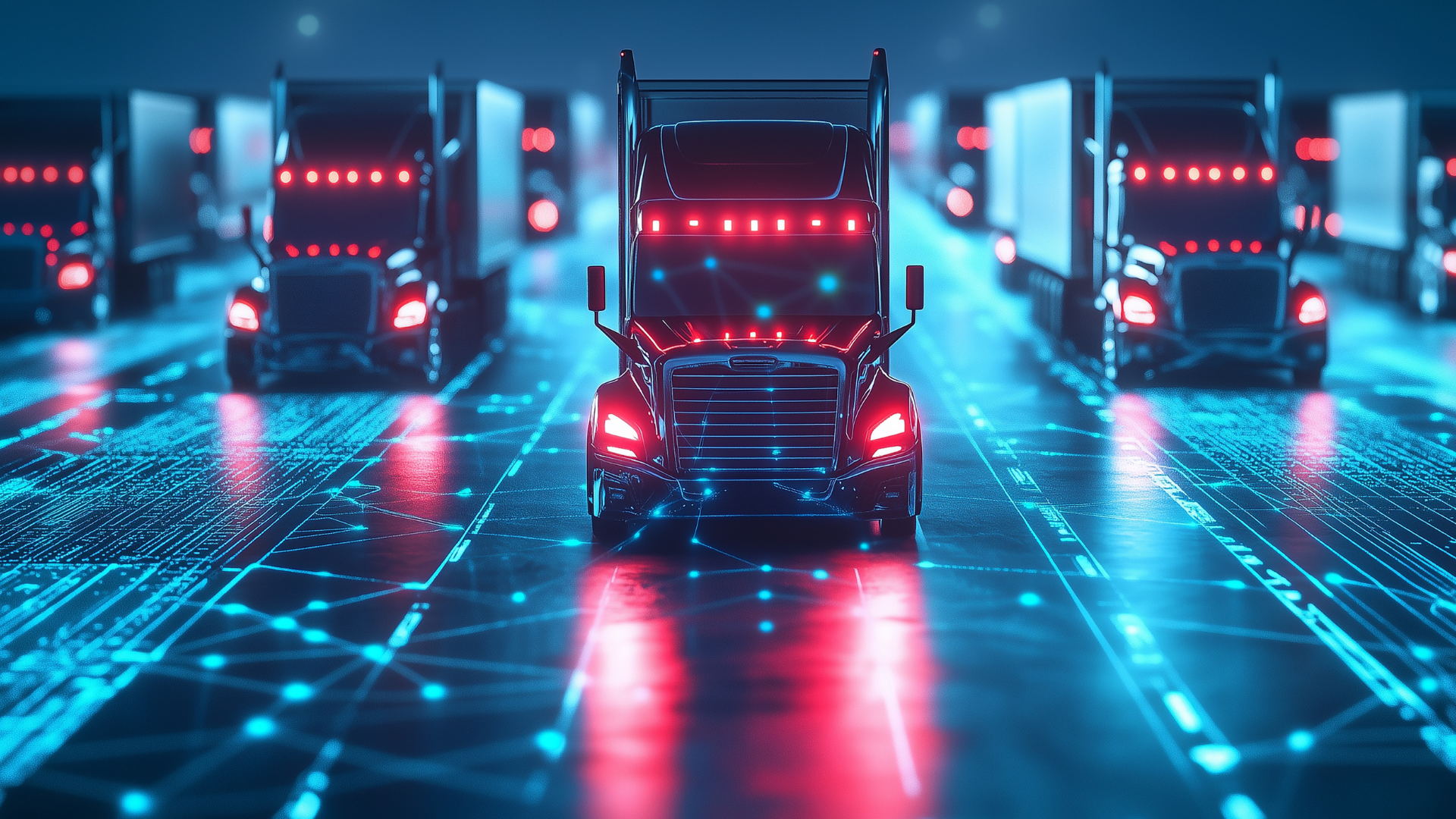
Artificial intelligence is beginning to reshape logistics in ways that extend far beyond automation. From predictive demand planning to intelligent transport routing and warehouse optimisation, AI is transforming how logistics networks operate and how decisions are made.
For organisations investing in these technologies, the question is no longer whether AI will influence logistics: it is how quickly teams can develop the skills needed to use it effectively.
As AI adoption accelerates, the profile of logistics and supply chain talent is evolving. Employers are increasingly looking for professionals who combine operational expertise with digital capability and analytical thinking.
Data Literacy Is Becoming a Core Logistics Skill
AI systems rely on data: large volumes of it. But the real value comes from the ability to interpret insights and translate them into operational decisions.
Logistics professionals increasingly need strong data literacy. This does not mean every manager must become a data scientist, but they do need to understand how to work with data-driven insights.
Key capabilities include:
- Interpreting analytics dashboards and performance metrics
- Understanding forecasting and predictive models
- Using data to support operational decision-making
- Challenging assumptions when insights and operational reality differ
Professionals who can bridge the gap between analytics outputs and practical logistics operations will be particularly valuable.
Technology Fluency Is Moving From IT to Operations
Historically, digital tools within logistics were primarily managed by IT teams. Today, operational leaders are expected to understand the technologies shaping their networks.
AI-enabled transport management systems, warehouse automation platforms, and intelligent planning tools require operational leaders who can confidently engage with technology partners and internal digital teams.
This means logistics managers increasingly need:
- familiarity with AI-driven planning and optimisation systems
- understanding of automation technologies in warehouses
- the ability to evaluate digital solutions from an operational perspective
Technology fluency allows leaders to guide transformation rather than simply respond to it.
Strategic Thinking Is Becoming More Important
AI excels at analysing patterns and processing large data sets. What it cannot replace is strategic judgement.
Logistics leaders must still make decisions about network design, supplier relationships, service strategy, and risk management. AI tools provide insight, but leaders determine how those insights translate into action.
As a result, employers are increasingly seeking professionals who can combine analytical insight with commercial awareness.
The most valuable leaders will be those who can ask the right questions of AI systems, and interpret the answers within the wider business context.
Cross-Functional Collaboration Will Be Essential
AI adoption within logistics rarely happens in isolation.
Successful implementation typically involves collaboration across supply chain, IT, finance, procurement, and operations teams. Data must flow across systems, processes must adapt, and organisational behaviours must evolve.
Logistics professionals therefore need stronger cross-functional collaboration skills than ever before. They must be able to:
- communicate technical concepts clearly to non-technical stakeholders
- align digital initiatives with operational priorities
- lead teams through technology-driven change
The ability to influence across departments will become increasingly valuable as AI becomes embedded within broader business systems.
Change Leadership Will Define Successful AI Adoption
Technology alone does not transform logistics operations: people do.
Introducing AI-driven systems often changes planning processes, operational routines, and decision-making structures. Leaders must guide teams through this transition while maintaining operational performance.
This requires a blend of leadership and communication capability. Logistics professionals need to build confidence in new tools, support team development, and ensure technology enhances rather than disrupts operational performance.
In many organisations, experienced leaders are brought in specifically to support these transformation programmes.
The Talent Market Is Already Shifting
As AI adoption grows, employers are adjusting their hiring criteria.
Traditional logistics expertise remains essential, but it is increasingly complemented by digital awareness and analytical capability. Organisations are seeking candidates who can operate confidently in environments where technology and operations are closely integrated.
This shift is influencing recruitment across multiple levels, from planning analysts and warehouse managers through to senior supply chain leadership.
For many organisations, securing professionals with the right combination of operational and digital expertise requires a specialist approach to recruitment.
Building the Logistics Workforce of the Future
AI will continue to reshape logistics networks, but its success will ultimately depend on the people responsible for using it.
Professionals who develop digital awareness, analytical thinking, and strong leadership capability will be well positioned to thrive in the evolving logistics landscape.
For organisations, investing in the right talent (and supporting the development of new skills) will be essential to unlocking the full potential of AI-driven logistics.
Because while technology may power the future of logistics, it is people who will make it work.
Bis Henderson Recruitment has a proven track record of placing Logistics and Supply Chain leaders who are forward-thinking and adaptable to change. Speak with our team today to find your next leader.